People Stories

Healthy Community

Finding a balance between caring and being cared for

Ms Ng: “Knowing that my mother is in good hands gives me the peace of mind to step out and enjoy a brief moment of respite.”

A standard 9-to-5 full-time job can be draining enough. So imagine the toll on a full-time caregiver who’s always on call. How can they manage their own needs and emotions while shouldering such a demanding responsibility?

Ms Ng was one such full-time caregiver who said of her relationship with her mother: “In our family, there’s a squirrel and a sloth. She’s the sloth and I’m the squirrel.” Despite the time and tireless energy she devoted to caring for her mother and scurrying around like a squirrel, she could still struggle to meet all her mother’s needs.

In her 60s, Ms Ng had been a full-time caregiver for her 95-year-old mother, Siu Yu, for more than two years. Siu Yu had suffered a heart failure, early-stage dementia and was wheelchair-bound. As the condition of her heart deteriorated, her physical health declined and by the end of 2023, Siu Yu had lost her sight. Her catchphrase changed from “I'm not afraid at all” to “I can't see at all”. To cater to her mother’s growing needs, Ms Ng decided to become a full-time caregiver once her work contract ended, allowing her mother to live out her twilight years at home and be cared for.
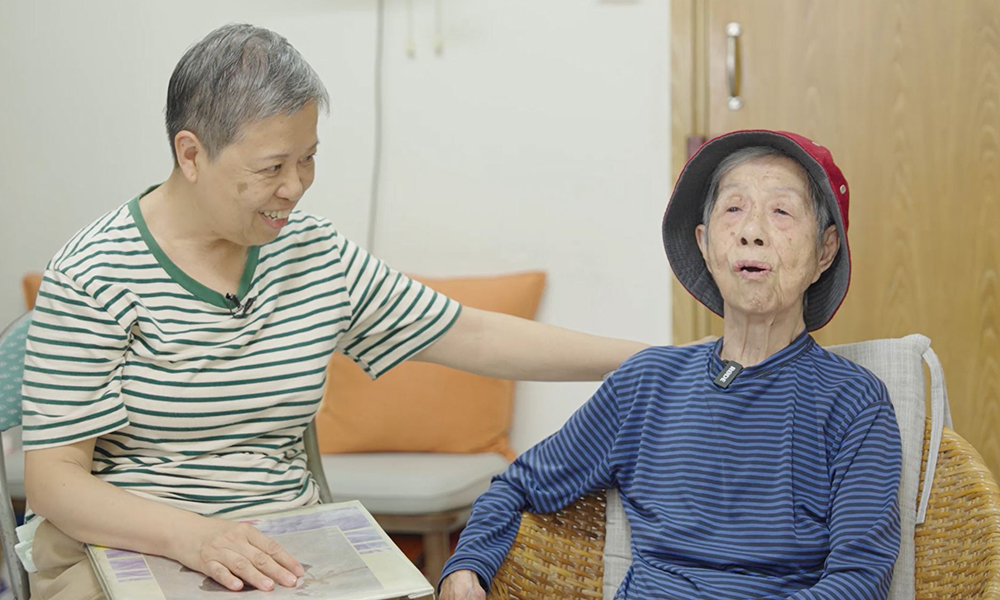
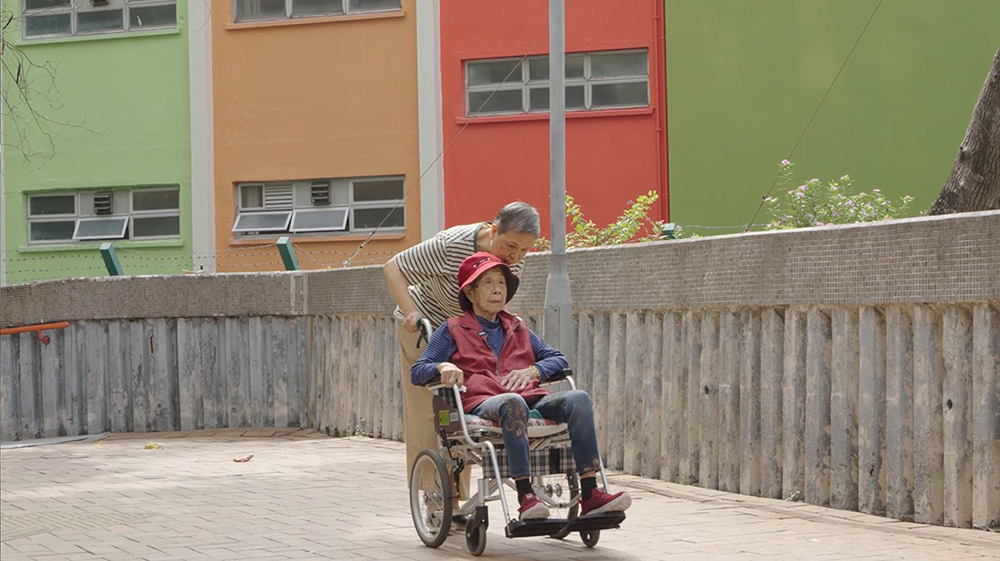
Formerly the pillar of the family, the independently minded Siu Yu had become reliant on her daughter for everything and worried she was a family burden. To ease her mother’s fears, Ms Ng attended to Siu Yu’s emotional as well as physical needs, offering daily encouragements such as, “Days like these are beyond our control. But we can make the most of every day and do what we want while we still can.” To help Siu Yu adapt to the changes that come with aging, Ms Ng made every effort to help her maintain her habits and routines, such as taking her out grocery shopping and for dim sum. When they were out, she also acted as her mother's eyes, patiently describing the scenery along the way. What might seem like simple companionship actually entailed immense dedication and effort on Ms Ng’s behalf as a caregiver.

Changes in physical health can affect mental and emotional well-being. So as well as meeting Siu Yu’s essential daily needs, Ms Ng adjusted her approach and communication-style to suit her mother’s changing requirements. She acknowledged they had disagreements at times, but stressed the importance of keeping open communication to reach a mutual understanding. “As a caregiver, you can’t expect to be perfect all the time. You have emotions too, which you can’t always suppress. Bottling up your feelings can eventually lead to anxiety or exhaustion. It’s important to tell the person you’re caring for your limits, so you can understand and support each other better."

Such responsibilities often mean caregivers struggle to maintain a regular social life. “Cinderella has to go home by midnight, but I need to be back by 5:30pm,” said Ms Ng. Fortunately, there are community support programmes and services for both caregivers and those they care for. For example, the Jockey Club End-of-Life Community Care Project provided in-home end-of-life care support to Siu Yu when Ms Ng felt the need to go out, giving her a little respite from her caregiving duties.

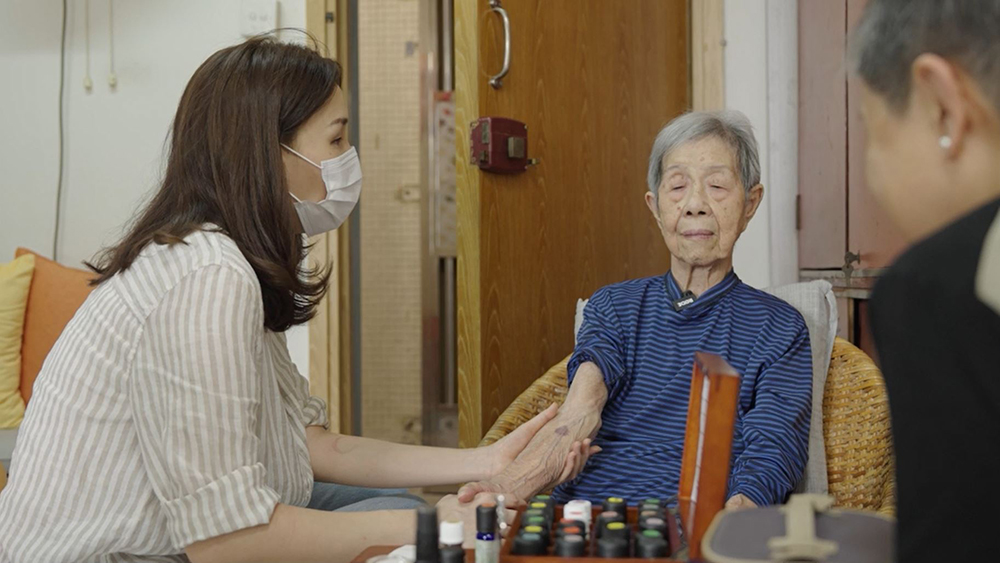
The Project provided Siu Yu with comprehensive end-of-life services spanning physical, psychosocial and practical care. It also organised activities tailored to her needs, encouraging her to engage with the community and keep up her social connections. That allowed both mother and daughter to create precious memories during Siu Yu’s final chapter – taking walks, dining out, revisiting old haunts and even enjoying aromatherapy and massage sessions provided by volunteers.

The Project seeks to lighten the burden for caregivers such as Ms Ng and improve their quality of life. It helped her to retain her composure, enabling her to come to an agreement with Siu Yu on palliative care and make the necessary arrangements in advance. It enables people to spending precious time with loved ones so they can complete life’s journey in peace and comfort.

Did you know?

The Hong Kong Jockey Club Charities Trust initiated the “Jockey Club End-of-Life Community Care Project” (JCECC) to meet growing demand for end-of-life care services in the community. Launched in 2016, the 10-year scheme offers holistic support to elderly people who are terminally ill or in an old people’s home. This helps them to make informed decisions about palliative care options and improves their quality of life. JCECC is a multi-disciplinary, multi-institutional and cross-sectoral collaboration focusing on the point that social and medical systems intersect. It strives to improve the quality of end-of-life care, enhance the capacity of service providers and raise public awareness.

Information updated to February 2025